


Bangan Burtha
Oven-baked eggplants with onion, ginger and garlic. Add-on: (Rice / Naan bread).
 30-60% Organic
✦
Lamb Rogan Josh
✦
Traditional recipes
✦
Tandoori Chicken
✦
Fresh every day
✦
Palak Paneer
✦
Nordic calm and more flavor
✦
Biryani
✦
Fresh naan
✦
30-60% Organic
✦
Lamb Rogan Josh
✦
Traditional recipes
✦
Tandoori Chicken
✦
Fresh every day
✦
Palak Paneer
✦
Nordic calm and more flavor
✦
Biryani
✦
Fresh naan
✦
Main courses

Garam masala, Turmeric, Coriander powder, Chili, Cinnamon, Black cardamom, Cloves, Star anise, Fenugreek leaves, Kasuri Methi (dried fenugreek leaves), Licorice root, Garlic, Ginger, Peeled tomatoes, Whipping cream, Ghee (clarified butter), Paneer, Cashew nuts, Almonds, Sesame seeds, Poppy seeds, Raisins, Sugar, Cane sugar, Tamarind, Water, Vegetable oil, Basmati rice, Malt
The name Biryani originates from Persian, which was previously the official language under several Muslim dynasties in medieval India. Although its origin is debated, everything points to Biryani having Muslim roots – likely originating in the Mughal Emperor's palace kitchens in North India.
Since then, the dish has spread throughout India, especially in the south and among the country's many Muslims. Common to all versions is the flavorful blend of rice, spices, vegetables, nuts and/or meat.
The most famous variant comes from Hyderabad and is particularly known for its layered preparation.
At Bindia, we make biryani inspired by Punjab, where our founder grew up. Here, nuts and seeds are often used instead of animal fat – both for flavor and nutrition. Therefore, our biryani contains cashew nuts, almonds and carefully tempered spices.
Paneer Biryani is a rich and aromatic vegetarian rice dish that combines fragrant basmati rice, soft paneer, traditional Indian spices, premium nuts, and sweet raisins into a satisfying and flavorful meal. At Bindia in Copenhagen, our Paneer Biryani is inspired by the authentic culinary traditions of Punjab, where carefully selected ingredients and time-honored cooking techniques create a truly memorable dining experience. Every serving is freshly prepared to order, delivering the perfect balance of creamy paneer, aromatic rice, and warming spices.
If you are looking for authentic vegetarian Biryani in Copenhagen, our Paneer Biryani is the perfect choice. Whether you dine in at our restaurant, order takeaway, or choose our Indian catering services for your next event, you'll enjoy an authentic Indian rice dish made with premium ingredients and traditional recipes.
Biryani is one of the most famous dishes in Indian cuisine. Its name is believed to originate from the Persian language, reflecting the cultural influence of the Mughal Empire in medieval India. Although historians continue to debate its exact origins, it is widely accepted that biryani first emerged in the royal Mughal kitchens before spreading throughout the Indian subcontinent.
Today, nearly every region of India has its own version of biryani. Hyderabad is renowned for its layered Dum Biryani, while Punjab is known for preparing rich, aromatic biryanis using premium rice, warming spices, nuts, and carefully selected ingredients.
At Bindia, our Paneer Biryani proudly follows the traditions of Punjabi cuisine while bringing authentic Indian flavors to Copenhagen.
Every Paneer Biryani at Bindia is prepared using carefully selected premium ingredients.
Our Paneer Biryani includes:
These premium ingredients create a fragrant and flavorful vegetarian biryani with remarkable depth and complexity.
Premium basmati rice is the foundation of every authentic biryani.
We use long-grain basmati rice because of its delicate fragrance, fluffy texture, and ability to absorb aromatic spices while maintaining perfectly separate grains. This creates the signature light and elegant texture that makes biryani one of India's most celebrated rice dishes.
Every spoonful offers the perfect balance between aromatic rice and tender paneer.
Fresh paneer gives this biryani its creamy texture and satisfying bite.
The paneer absorbs the flavors of garlic, ginger, tomatoes, cream, and aromatic spices while maintaining its soft and delicate texture. Every piece adds richness and balance to the fragrant basmati rice.
Combined with carefully tempered spices, the paneer creates a comforting and authentic vegetarian meal.
Paneer Biryani is celebrated for its beautifully balanced spice profile.
Garam masala, turmeric, coriander, cinnamon, black cardamom, cloves, star anise, fenugreek leaves, and Kasuri Methi create deep layers of warmth and aroma. Fresh garlic and ginger add brightness, while tamarind provides gentle acidity that balances the richness of the cream and paneer.
Each spice is carefully cooked to release its natural oils, creating a biryani full of authentic Indian flavor.
One of the defining characteristics of our Punjabi-inspired Paneer Biryani is the use of premium nuts and raisins.
Cashews and almonds provide a pleasant crunch and rich nuttiness, while raisins add natural sweetness that perfectly complements the aromatic spices. Sesame seeds and poppy seeds contribute additional texture and complexity.
Together, these ingredients create a luxurious vegetarian biryani that is both elegant and satisfying.
At Bindia, every Paneer Biryani is freshly prepared from scratch each day.
Our chefs begin by tempering the spices before combining them with garlic, ginger, tomatoes, cream, paneer, and premium basmati rice. Finally, roasted nuts and raisins are added to complete the dish.
This traditional cooking method ensures freshness, consistency, and authentic flavor in every serving.
Paneer Biryani is a complete and satisfying vegetarian meal.
Soft paneer, fragrant basmati rice, premium nuts, aromatic spices, and raisins come together to create a perfectly balanced dish that is both filling and flavorful.
For an even more authentic dining experience, Paneer Biryani pairs wonderfully with cooling raita or freshly baked naan.
At Bindia, we proudly bring authentic Indian cuisine to Copenhagen.
Our experienced chefs prepare every dish using traditional Indian recipes, premium ingredients, and classic cooking techniques. Whether you visit us for lunch, dinner, or a special celebration, you'll enjoy genuine Indian hospitality and authentic flavors.
Our Paneer Biryani reflects the rich culinary heritage of Punjab while showcasing one of India's most beloved vegetarian rice dishes.
Enjoy authentic Paneer Biryani wherever you are.
Bindia offers fast and convenient Indian takeaway throughout Copenhagen, making it easy to enjoy freshly prepared biryani at home, at work, or with family and friends.
Every takeaway order is carefully packed to preserve the aroma, texture, and freshness of the rice and paneer.
Restaurant-quality Indian food is always within easy reach.
Bindia also provides professional Indian catering throughout Copenhagen.
Paneer Biryani is an excellent vegetarian option for:
Its rich flavors and satisfying texture make it a favorite among vegetarian guests at events of every size.
Every catering order is prepared with the same dedication to quality and authenticity as every meal served in our restaurant.
Bindia has become a trusted destination for authentic Indian cuisine in Copenhagen because of our commitment to quality, tradition, and hospitality.
When you choose Bindia, you can expect:
Our mission is to bring the authentic flavors of India to Copenhagen while creating memorable dining experiences for every guest.
Paneer Biryani combines fragrant basmati rice, soft paneer, aromatic Indian spices, roasted nuts, sesame seeds, poppy seeds, and sweet raisins into one of India's finest vegetarian rice dishes. Inspired by the rich culinary traditions of Punjab, every serving offers exceptional aroma, texture, and authentic flavor.
Whether you choose to dine in at Bindia, order takeaway, or include Paneer Biryani in your next catering event, you'll enjoy a genuine Indian dining experience prepared with fresh ingredients, traditional recipes, and exceptional care.
At Bindia, we look forward to serving you one of India's most beloved vegetarian biryanis and bringing the authentic taste of Punjab to Copenhagen.

Amagerbrogade 146, 2300 Copenhagen S

Gammel Kongevej 141, 1850 Frederiksberg

Lyngby Hovedgade 72E, 2800 Lyngby

Elmegade 6, 2200 Copenhagen N

Fjeldhammervej 15, 2610 Rødovre

Søborg Hovedgade 57, 2860 Søborg

Valby Langgade 82A, 2500 Valby

Blegdamsvej 130, 2100 Copenhagen Ø
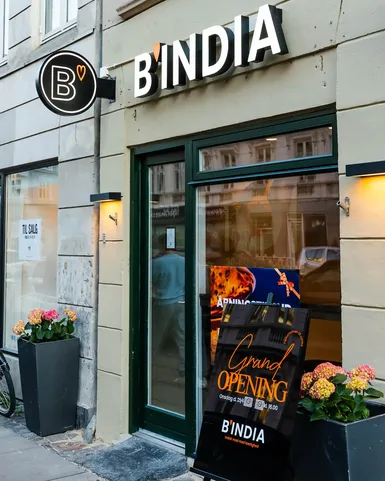
Istedgade 109, 1650 Copenhagen V
Oven-baked eggplants with onion, ginger and garlic. Add-on: (Rice / Naan bread).

Spiced rice dish with your choice of protein, oriental nut mix and raisins.

Protein-rich Indian chickpeas with black pepper and nigella seeds. Add-on: (Rice / Naan bread).

A spicy fusion between North and South Indian curry with your choice of protein and crushed red chili. Add-on: (Rice / Naan bread).


